
MENOPAUSE AS SACRED PASSAGE
Feb 23, 2026
The Long Hormonal Transition
Menopause is not the day your period stops. It is the visible point of a much longer biological arc.
Research led by epidemiologists like Gita Mishra and life-course scholars such as Diana Kuh demonstrates that reproductive aging begins many years before the final menstrual period.
At the ovarian level, as studied by reproductive biologist Evelyn Telfer, what is occurring is gradual follicular depletion. Each ovary is born with a finite number of follicles. Across decades, oxidative stress, mitochondrial changes, and cumulative ovulatory cycles reduce this reserve.
As ovarian reserve declines:
* Anti-Müllerian Hormone (AMH) decreases.
* Inhibin B declines.
* The pituitary increases Follicle Stimulating Hormone (FSH) in response to weaker ovarian feedback.
* Ovulation becomes inconsistent.
* Progesterone production declines first because it is produced only after ovulation.
* Estrogen does not drop immediately — it fluctuates dramatically.
This fluctuation is critical.
It is not low estrogen that initially causes symptoms.
It is instability.
The brain, particularly the hypothalamus, is exquisitely sensitive to estrogen signaling. When levels swing unpredictably, the thermoregulatory center narrows its tolerance window. Small temperature shifts trigger full sympathetic activation — experienced as hot flashes.
This is not weakness. It is neurovascular reactivity under endocrine transition.
Progesterone Decline & The Nervous System
Progesterone has profound effects on the brain. It is metabolized into allopregnanolone, a neurosteroid that modulates GABA-A receptors — the primary inhibitory system of the central nervous system.
When ovulation becomes irregular, progesterone production decreases. This reduces GABAergic calming tone.
Women may experience:
* Heightened anxiety
* Insomnia
* Increased startle response
* Irritability
* Difficulty recovering from stress
This is not psychological fragility. It is altered inhibitory signaling.
Herbal Support
Skullcap (Scutellaria lateriflora)** works gently with the nervous system, reducing excessive neuronal firing. It does not sedate heavily; rather, it smooths jagged edges of overstimulation. It is particularly helpful for women who feel mentally wired but physically exhausted.
Oatstraw (Avena sativa)** is not an acute sedative. It is a trophorestorative — meaning it feeds and rebuilds nerve tissue over time. It is rich in minerals and supports myelin sheath resilience. In long-term use, it increases baseline calm rather than forcing suppression.
Ashwagandha (Withania somnifera)** modulates the hypothalamic-pituitary-adrenal (HPA) axis. During perimenopause, cortisol patterns often become erratic because estrogen interacts with stress signaling pathways. Ashwagandha helps buffer this instability, improving sleep depth and reducing anxiety reactivity.
Ayurvedically, this stage is Vata amplification — dryness, instability, irregularity. The treatment principle is rhythm, warmth, and oil.
Estrogen Fluctuation & Heat
Estrogen influences serotonin production, nitric oxide pathways, and vascular dilation. It also stabilizes the hypothalamic thermostat.
When estrogen surges and drops unpredictably, serotonin pathways destabilize, and the brain misinterprets minor temperature changes as threats. This triggers:
* Peripheral vasodilation
* Sweating
* Rapid heart rate
* Sudden heat waves
These are neuroendocrine reflexes.
Herbal Precision
Red Clover (Trifolium pratense)** contains isoflavones that bind weakly to estrogen receptors. It does not replace estrogen, but it offers receptor-level modulation that can reduce the intensity and frequency of hot flashes in some women. It also supports vascular integrity.
Sage (Salvia officinalis)** acts on sweat gland activity and has long been used to reduce excessive perspiration. It supports thermoregulation without hormonal forcing.
Motherwort (Leonurus cardiaca)** supports cardiac rhythm and reduces palpitations linked to sympathetic spikes. It also stabilizes emotional volatility associated with estrogen swings.
Cooling foods and herbs support Pitta regulation. But cooling does not mean deprivation — it means balance.
Bone, Collagen & Structural Integrity
Estrogen inhibits osteoclast activity — the cells responsible for bone breakdown. With declining estrogen, osteoclasts become more active, increasing bone resorption.
This is why bone density loss accelerates in early postmenopause.
Additionally, collagen synthesis slows. Joints may feel dry. Skin elasticity shifts.
Herbal & Nutritional Depth
Nettle (Urtica dioica)** provides bioavailable calcium, magnesium, and trace minerals essential for bone remodeling. It supports hemoglobin and combats fatigue that can accompany hormonal shifts.
Horsetail (Equisetum arvense)** is rich in silica, a mineral essential for connective tissue integrity and collagen formation. It supports ligaments and joint comfort.
Weight-bearing exercise stimulates osteoblast activity — the cells that build bone. Mechanical load is biological instruction.
Bone is structure.
This is the season to strengthen boundaries — physically and emotionally.
Brain Reorganization
Estrogen enhances synaptic plasticity and mitochondrial efficiency in brain cells. During menopause, fluctuating and declining estrogen alters neural metabolism.
Some imaging studies show shifts in gray matter volume and changes in connectivity patterns. Sleep disruption compounds this.
Brain fog may reflect metabolic adjustment rather than decline.
There is also pruning — reduction of unnecessary synaptic connections. Many women report sharper discernment and less tolerance for inauthenticity.
Herbal Brain Support
Rosemary (Rosmarinus officinalis)** improves cerebral circulation and enhances alertness.Ginkgo (Ginkgo biloba)** increases blood flow to brain tissue and may support memory and processing speed.
Oatstraw**, again, supports long-term neural resilience.
Meditation strengthens prefrontal regulation. Breathwork stabilizes vagal tone. This is neurological sovereignty.
Metabolic & Cardiovascular Recalibration
Estrogen supports lipid regulation and insulin sensitivity. After menopause:
* LDL cholesterol may increase.
* Visceral fat storage may shift.
* Insulin sensitivity can decrease.
This is not moral failure. It is metabolic adaptation.
Herbal Cardiovascular Support
Hawthorn Berries strengthens cardiac muscle tone, improves vascular elasticity, and supports lipid stability.
Dandelion Root (Taraxacum officinale)** enhances liver function, supporting estrogen metabolism and digestion.
Burdock (Arctium lappa)** supports gentle detoxification and metabolic circulation.
Regular meals, resistance training, and walking after meals improve insulin sensitivity.
Hope this introductory information helps you to discover more about People Medicine. Please contact me directly for 1:1 help.
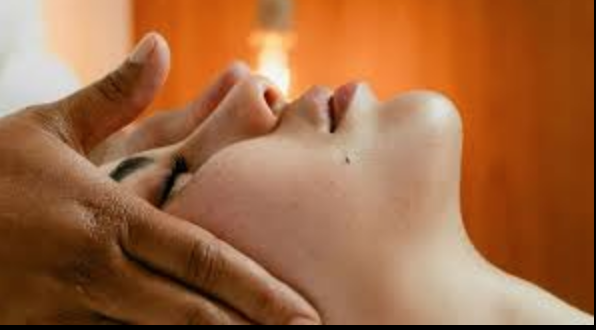
Marma Therapy: The Missing Link Between Beauty and the Nervous System
In the world of aesthetics, we often talk about skin.
Collagen.
Circulation.
Lymphatic drainage.
Inflammation.
But what if the true foundation of beauty is not the skin at all?
What if it is the nervous system?
This is where marma therapy becomes extraordinary.
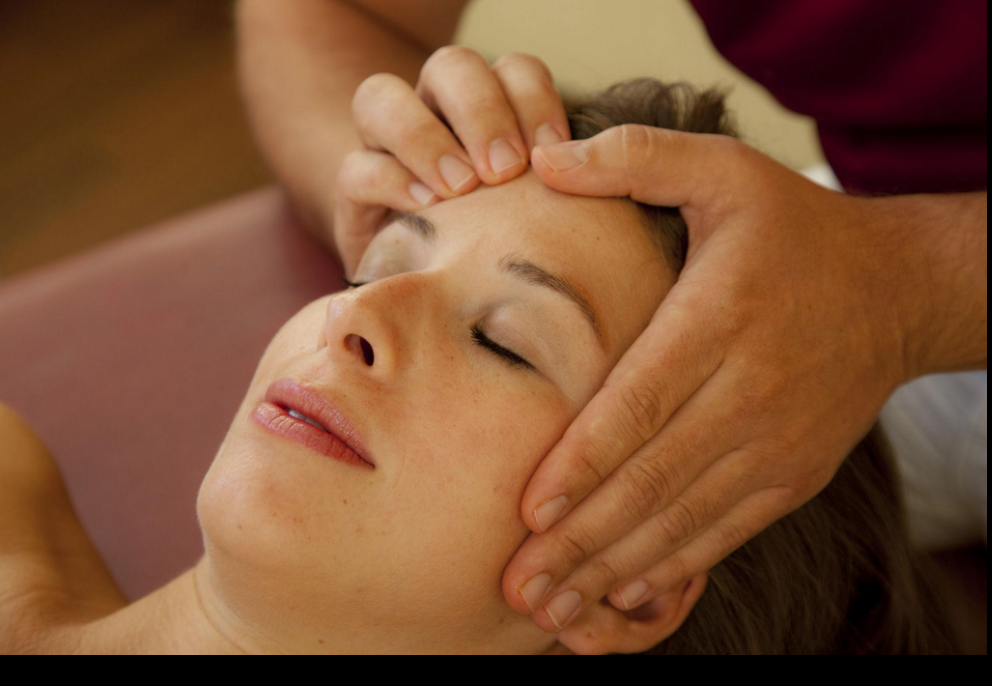
In the world of aesthetics, we often speak about collagen, circulation, lymphatic drainage, and inflammation — yet the classical Ayurvedic texts remind us that beauty begins deeper. The Sushruta Samhita describes marmas as “pranasthana” — seats of life force — anatomical intersections of muscle, vessels, ligaments, bone, and joints where prana (vital intelligence) resides. The Charaka Samhita teaches that prana sustains the mind and senses, implying that when these points are disturbed, both consciousness and physiology are affected. The Ashtanga Hridayam further notes that when the doshas are balanced and prana flows unobstructed, radiance naturally appears. In modern terms, marma points correspond closely to neurovascular bundles, autonomic plexuses, and endocrine reflex hubs — meaning that gentle, precise stimulation can influence vagal tone, microcirculation, lymphatic movement, and inflammatory signaling. From an aesthetic perspective, this reframes beauty not as surface correction, but as nervous system regulation: when sympathetic overdrive softens, the jaw releases, circulation improves, endocrine rhythms stabilize, and the face regains luminosity. The ancients were not chasing youth — they were restoring coherence — and coherence is what the modern eye recognizes as glow.
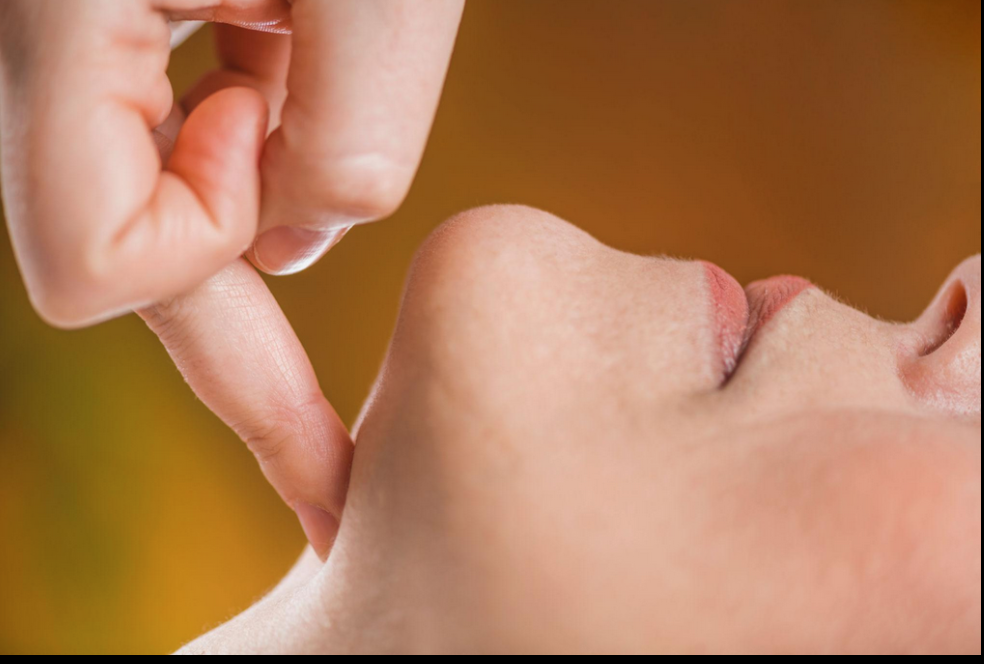
Skin aging is not only about collagen breakdown.
It is about:
• Chronic sympathetic activation
• Microvascular constriction
• Endothelial dysfunction
• Inflammatory load
• Hormonal shifts
A face held in tension ages differently than a face held in safety.
Marma therapy addresses:
• Jaw tension (masseter + TMJ patterns)
• Brow contraction
• Periorbital stagnation
• Thyroid and throat restriction
• Heart–face vascular relationship
When we regulate the nervous system, circulation improves naturally.
When circulation improves, glow returns.
When inflammation lowers, tissue repairs.

The ancients were not chasing youth — they were restoring coherence. In classical understanding, radiance was never a product applied to the skin, but the visible expression of balanced prana, regulated nervous system tone, and unobstructed circulation. When sympathetic overdrive softens, the jaw unclenches, the brow smooths, microvascular flow improves, lymph moves freely, and endocrine rhythms stabilize. The face brightens not because it has been tightened, but because it is no longer bracing. What we call “glow” is, in truth, coherence made visible — a body that feels safe, regulated, and internally aligned.
Join me for a three-day immersive seminar where we explore marma therapy as the bridge between ancient regulatory science and modern aesthetics. Over the course of three days, you will learn the classical foundations, precise facial marma mapping, nervous system regulation techniques, and how to integrate this work into contemporary aesthetic and wellness practice with anatomical clarity and energetic intelligence. This is not surface treatment — it is systemic recalibration. If you are ready to deepen your understanding of beauty as coherence, I invite you to step into this training with me. Three-day immersion | €950. Spaces are intentionally limited to preserve depth and precision.

When the Fire Won’t Turn Off: A Different Way to Understand Hyperthyroid

A few years ago, a woman sat across from me and said:
“I feel like I drank five espressos… but I don’t drink coffee.”
Her hands trembled slightly.
Her heart raced even while sitting still.
She was exhausted — but couldn’t sleep.
Hungry — but losing weight.
Wired — but fragile.
Her labs said: hyperthyroid.
But what I saw was something else.
I saw a body that had been in survival mode for too long.
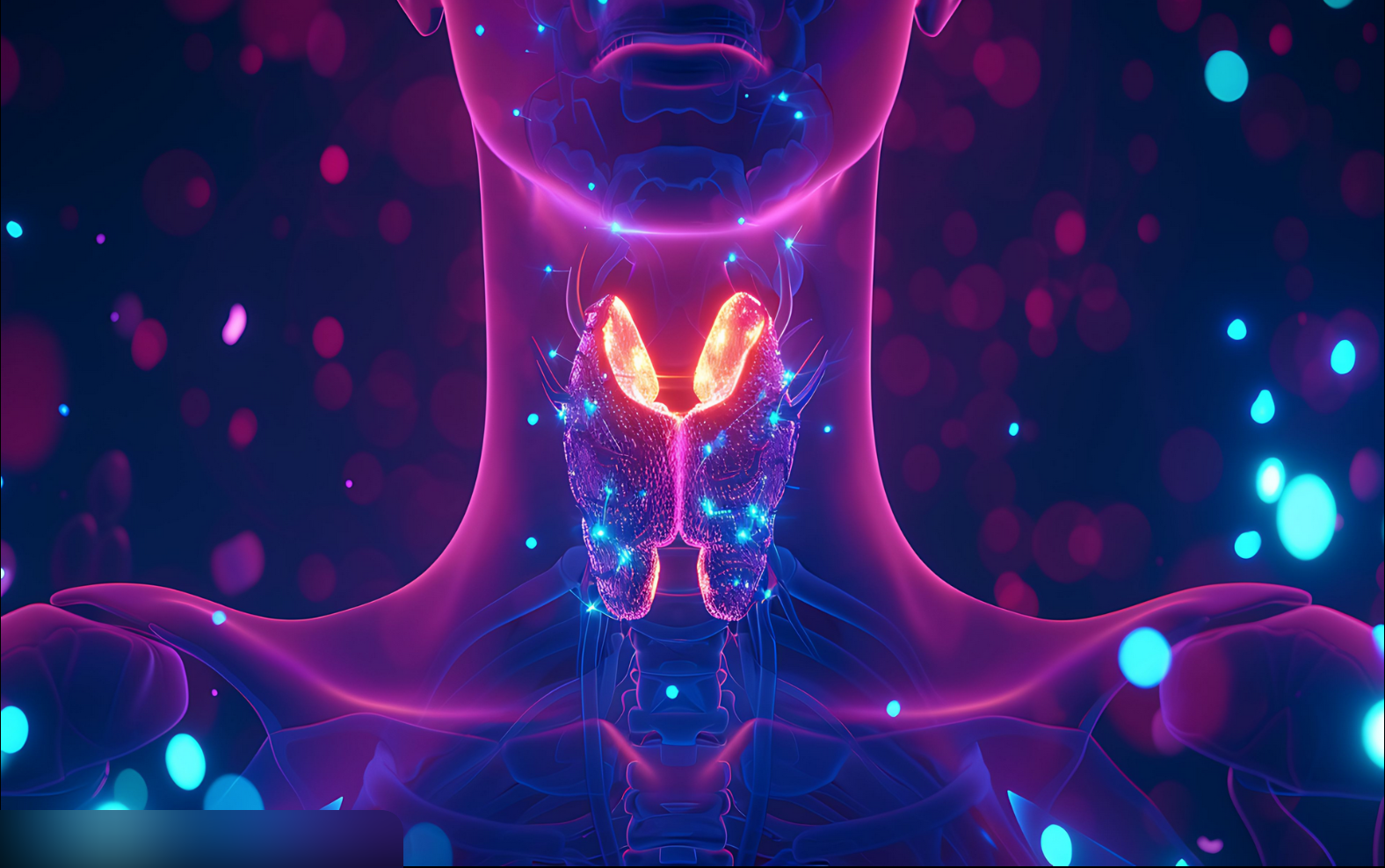
Hyperthyroid Is Not Just “Too Much Thyroid”
We’re often told it’s simply an overactive gland.
But clinically, it feels more like:
A house with the furnace stuck on high.
Windows open.
Flames strong.
Reserves burning fast.
Hyperthyroid states often include:
• Racing heart
• Anxiety and irritability
• Heat intolerance
• Insomnia
• Sudden weight shifts
• Tremor
• Digestive urgency
It looks like excess. But underneath? Often depletion.
Many people with hyperthyroid patterns have histories of:
• Chronic stress
• High responsibility
• Emotional vigilance
• Perfectionism
• Long-term “holding it together”
The nervous system becomes stuck in acceleration. The thyroid follows. The metabolism speeds up. The heart tries to keep pace. The body becomes a hummingbird that never lands.
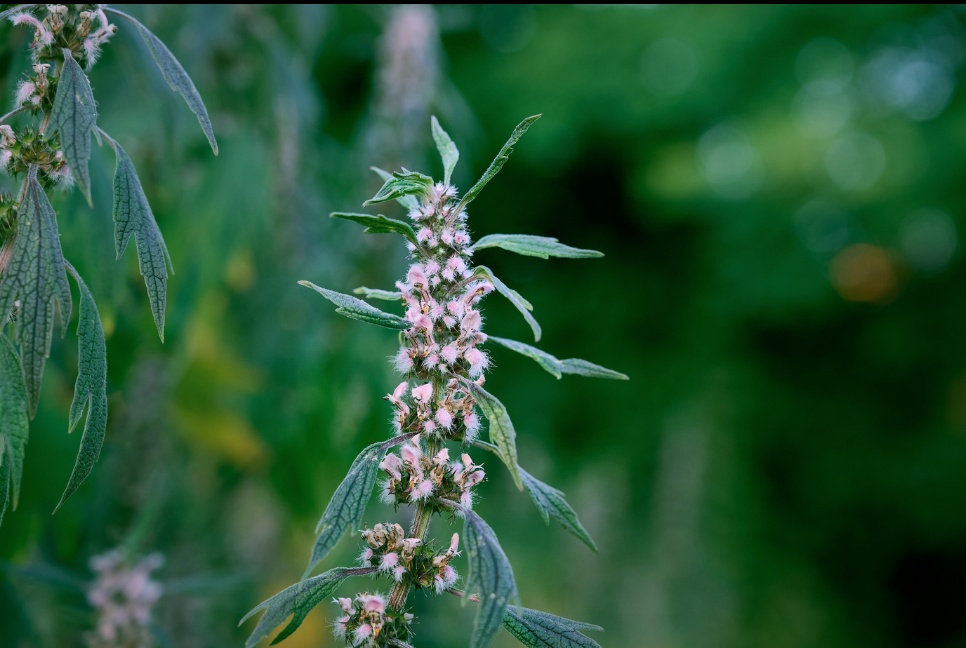
Motherwort
A Different Approach
When I work with hyperthyroid patterns, the goal is not just to turn something off. It is to:
• Calm the nervous system
• Protect the heart
• Reduce inflammatory signaling
• Rebuild mineral reserves
• Restore immune balance
• Help the body feel safe enough to decelerate
Sometimes this includes gentle calming herbs. Sometimes mineral nourishment.
Sometimes restoring sleep rhythm. But always — always — we work on safety. Because a body that feels unsafe will keep accelerating.
Hyperthyroid is not simply a gland misbehaving. It is often a survival system that forgot how to rest. It is a fire that was once protective — and never turned back down. And fire, when guided, is life-giving. When unchecked, it consumes.
If This Sounds Like You
If you feel wired and tired. If your heart races without reason.
If your sleep is shallow. If your labs show hyperthyroid and your body feels like it’s sprinting.
Pause.
You are not broken. You are accelerated.And acceleration can be unwound.
If you’d like support, book a consultation and we’ll look at your full picture — nervous system, inflammation, immune layer, constitution, and stress history.
What is This Change?
It All Begins Here
Shoshana Weinberg
November 4, 2024
What is Perimenopause?
Perimenopause is a transitional phase lasting three to ten years before menopause, marked by hormonal fluctuations and changing cycles. During this time, women often experience physical and emotional changes as their bodies adjust.
Shifting Perspectives
As women enter their later years, many reevaluate their roles and aspirations. This period can be an opportunity for self-discovery and purpose, often leading to a desire to serve the world in new, meaningful ways.
Elemental Balance
In Ayurveda, individuals with dominant earth and water elements may navigate perimenopause more smoothly. Each constitution—vata (ether and air), pitta (fire and water), and kapha (earth and water)—responds differently to hormonal changes:
Imbalance of Pitta elements may experience hot flashes and irritability.
Imbalance of Vata elements often feel unstable, dry, and may alternate between feeling hot and cold.
Imbalance of Kapah elements typically have a steadier transition but may face weight gain or fatigue.
Practices for Balance
Creating a daily routine can help calm the elements, while incorporating grounding earth and water elements through diet and lifestyle can promote overall balance. Recommended practices include:
- Using natural oils for skin hydration.
- Eating warm, moist foods like stews and root vegetables.
- Utilizing herbs to ease symptoms.
Herbal Allies for Transition
Several herbs are renowned for their supportive roles during perimenopause:
Shatavari (Asparagus racemosus) acts as a natural herbal estrogen modulator in Ayurveda and is supported by modern pharmacological studies indicating phytoestrogenic properties. While it does not contain human estrogen, it contains compounds called steroidal saponins (specifically Shatavarins I–IV) and isoflavones that mimic estrogen and bind to receptor sites, making it a "Queen of Herbs" for female hormonal balance.
In traditional Ayurvedic medicine, Shatavari is revered as a Rasayana (rejuvenating tonic) specifically for the female reproductive system.
Literally translated: The name means "one who possesses 100 husbands," symbolizing its role in enhancing fertility, libido, and vitality.
Energetics: It is described as Sweet (Madhura), Bitter (Tikta), and Cooling (Sheeta).
Traditional Actions:
Uterine Tonic: Nourishes the uterus and supports fertility.
Galactagogue: Traditionally used to increase breast milk production.
Menopause Support: Helps with symptoms like hot flashes and night sweats.
Soothing/Cooling: Used to treat inflammation and excess Pitta (heat) in the body.
Shatavari is mentioned in many of the foundational, ancient Indian Sanskrit texts (approx. 150 BCE–600 CE), known as the Brihat Trayi (Great Trio of Ayurveda).
There is also a modern scientific context that is important it is known as
Estrogen-mimicking: Studies show that shatavari-derived compounds bind to estradiol (E2) receptors.
Progesterone-enhancing: It has also been shown to support healthy progesterone levels.
Adaptogenic: It acts as a tonic to help the body manage stress.
Important Considerations
Quality: Because of its high demand, the plant is now considered endangered in its natural habitat due to overharvesting. Therefore you can grow at home, either in a garden patch or in pots, and doing so helps relieve pressure on its endangered wild population. It is a hardy, perennial climber that thrives in tropical and subtropical climates and is adaptable to various soil types, particularly sandy loam.
Caution: Because it acts as a phytoestrogen, it should be used with
Contraindications: It is generally not recommended for those with high Kapha (congestion).
Vitex (Chaste Tree): Prolactin Inhibition: Vitex diterpenes interact with dopamine D2 receptors in the anterior pituitary, reducing the release of prolactin. Elevated prolactin (hyperprolactinemia) can suppress ovulation and cause irregular periods. Progesterone Increase: By controlling prolactin, Vitex supports the normalization of luteal phase defects, leading to increased progesterone production. Hormonal Balance (LH/FSH): It helps regulate the balance between follicle-stimulating hormone (FSH) and luteinizing hormone (LH), promoting ovulation.
Integrating nutrient-dense foods is crucial:
Stinging Nettle, (Urtica dioica), Packed with vitamins and minerals, it supports overall health and combats fatigue.
Embracing the Transition
While perimenopause can present challenges, it is a natural part of life. By embracing holistic practices and working with herbal allies, women can navigate this transition with greater ease and empowerment. Seek guidance from healthcare practitioners familiar with both conventional and holistic approaches to ensure personalized care during this transformative phase.

Resting the Overwhelmed Body
Resting the Overwhelm
Resting the Overwhelmed Body
Many people arrive at exhaustion not because they are weak, but because they have been strong for too long.
I see this most often in people who are still functioning — but barely.
Overwhelm does not always announce itself dramatically. Often it arrives quietly, as tight jaws, shallow breath, restless sleep, or a fatigue that sleep doesn’t seem to reach. The body keeps adapting, compensating, holding, until one day even small things feel heavy.
In the lineages I work from, overwhelm is not treated as a personal failure. It is understood as a state of imbalance — a sign that the nervous system has been asked to carry more than it can sustainably hold.
Rest is not collapse
Rest, as understood in classical yoga and nourishment-based healing traditions, is not giving up. It is a skillful return.
When the system has been overstimulated for too long, effort alone cannot restore balance. More doing, more fixing, more trying often deepens the strain. What restores is listening, slowing, and allowing the body to find its own rhythm again.
In the yoga therapy tradition I was trained in, effort always comes second to listening. The breath softens. Sensation is noticed without judgment. The body is invited — not commanded — to settle.
This can be hard to trust.
The body remembers safety
Overwhelm lives in the body, not just the mind. That is why insight alone rarely brings relief.
The nervous system responds to tone, pace, warmth, and attention. Gentle practices — simple breathing, supported rest, subtle movement, and nourishment — communicate safety more clearly than words ever can.
In earth-based nourishment traditions, recovery is never rushed. Time, consistency, and kindness are considered medicines in their own right. The body is trusted to reorganize itself when it is properly supported.
This work is quieter than people expect.
This is not a fixing space
Resting the Overwhelmed Body is not about self-improvement or optimization. It is not about pushing through or performing wellness.
It is a space to pause without apology, to set down excess effort, and to listen to what is actually present. Nothing here needs to be earned. Even showing up tired is enough.
Sometimes what heals is not a new technique, but the removal of pressure.
Small returns to steadiness
Healing rarely happens all at once. It happens in small moments — when the breath drops lower, when the shoulders soften, when the mind no longer needs to race ahead.
These moments matter. Over time, they rebuild trust between the body and the mind.
An invitation
This work is for those who feel they should be coping better, for those who have been carrying strength alone, and for bodies that are quietly asking for something gentler.
Resting the Overwhelmed Body is offered as a free Zoom gathering — a quiet place to rest, listen, and allow repair to begin.
There is nothing to achieve here.
Only space to rest.
Circulation: Movement, Warmth, and the Intelligence of the Heart
Circulation: Movement, Warmth, and the Intelligence of the Heart
Circulation: Movement, Warmth, and the Intelligence of the Heart
Global Herbal Apprenticeship — Circulatory System
Circulation is not only about blood moving through vessels.
It is about relationship — between the heart and the tissues, between warmth and flow, between nourishment and life.
When circulation is strong, the body feels warm, responsive, and connected. When it is compromised, people often describe feeling cold, heavy, foggy, swollen, restless, or emotionally flat. Hands and feet cool. Healing slows. The body holds on instead of releasing.
In the lineages I work from, circulation is never treated as a purely mechanical issue. It is understood as a living process that reflects how well life is moving through the body.
Circulation and vitality
In Ayurveda, healthy circulation depends on balanced Agni (digestive and metabolic fire), clear channels, and sufficient Ojas — the deep essence that gives resilience and tone to the tissues. Without nourishment and warmth, movement alone is not enough.
In Wise Woman traditions, circulation is supported not by forcing movement, but by strengthening, feeding, and trusting the blood. Herbs are chosen not just to “stimulate,” but to tone, restore elasticity, and support long-term vitality — especially of the heart.
Classical yoga teachings remind us that the heart is not only a pump, but a center of perception. When circulation is poor, attention scatters. When circulation improves, presence returns.
When circulation is strained
Many modern circulatory imbalances are not caused by lack of effort, but by chronic holding:
prolonged stress
shallow breathing
lack of rest
insufficient nourishment
long periods of sitting or bracing
The body adapts until it cannot anymore. Swelling, coldness, tension, palpitations, anxiety, or fatigue often appear together — not separately.
This is why circulatory support must be gentle, rhythmic, and sustainable.
Herbs as allies of movement and strength
In this GHA session, we study circulatory herbs across lineages — not as isolated remedies, but as teachers of flow.
We work with classic heart and circulation allies such as:
Hawthorn, for strengthening and protecting the heart while softening tension
Motherwort, for circulation shaped by emotion, anxiety, and over-holding
Ginger and warming spices, to kindle movement where cold and stagnation prevail
Nourishing tonics, to build the blood rather than simply push it
These plants do not force circulation. They invite it.
They remind the body how to move without strain.
Movement without forcing
Alongside herbal study, we explore breath-led and somatic practices that support circulation naturally:
gentle movement rather than exertion
warmth rather than stimulation
rhythm rather than intensity
In the yoga therapy tradition I work from, circulation improves when the breath deepens and effort softens. The body does not need to be pushed into flow — it needs to feel safe enough to allow it.
Circulation as listening
Ultimately, circulation reflects how well we are listening to the body’s need for:
rest
warmth
nourishment
rhythm
emotional honesty
When these needs are met, movement returns on its own.
This session of the Global Herbal Apprenticeship invites students to understand circulation not as a problem to fix, but as a conversation to restore — between the heart, the blood, and the whole living body.